To mark Rare Disease Day 2026, the ARDT centre is showcasing significant progress in its mission across our partner institutions to accelerate and improve clinical trials for people living with rare diseases across the UK.
Rare Disease Day serves as a platform to raise awareness about the challenges faced by the 300 million people worldwide living with rare diseases, their families and their caregivers. The 2026 campaign emphasises the importance of equity in healthcare and research for rare disease communities. It aims to ensure that individuals affected by rare diseases have a voice in decisions that impact their lives.
Newcastle University
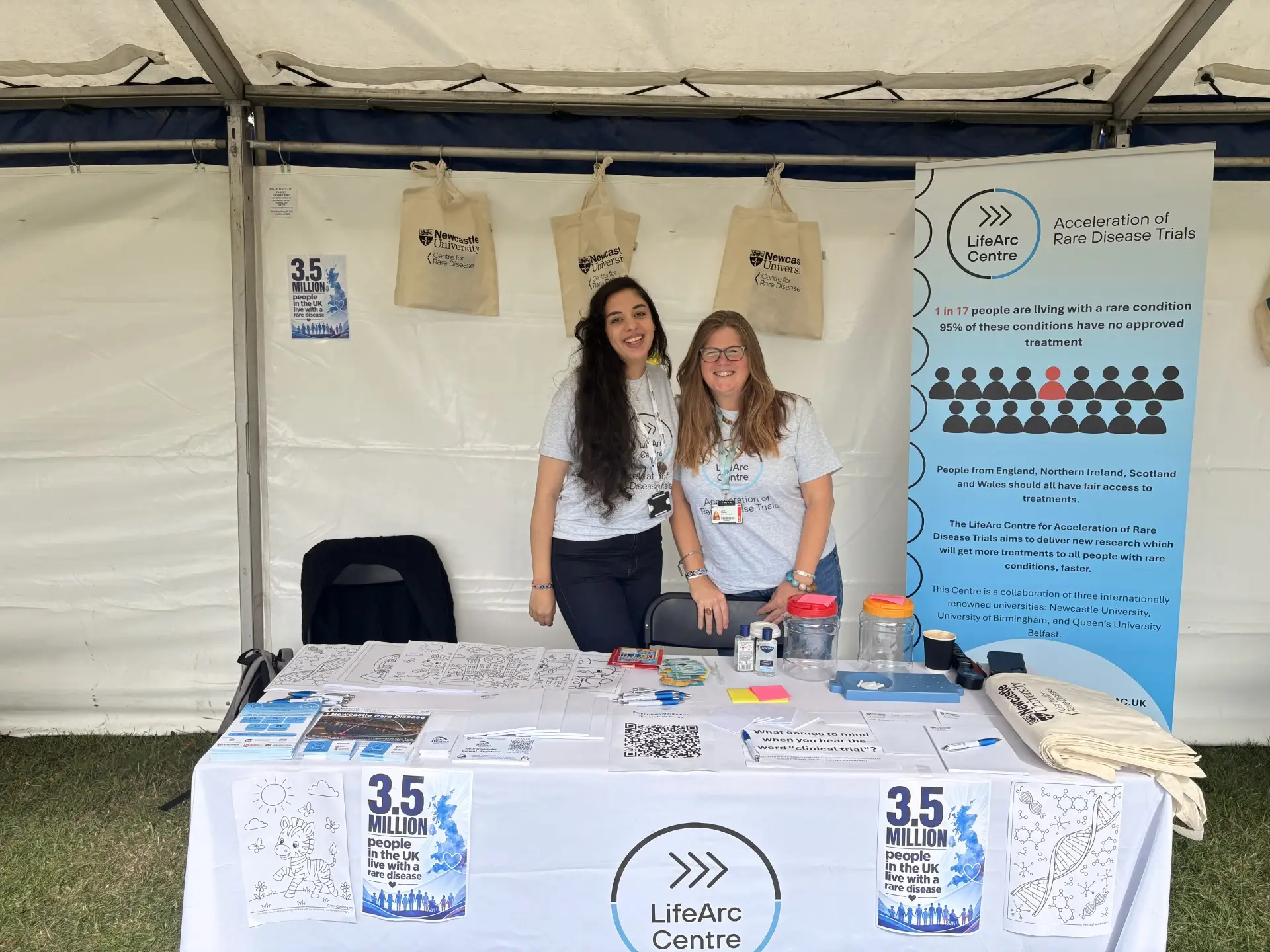
Over the past several months, the Newcastle team has been advancing key initiatives designed to strengthen trial delivery, improve patient access, and embed lived experience at the heart of research.
A major focus of activity has been the development of a Rare Disease Recruitment Portal, an innovative platform intended to bring patients closer to the clinical trials that matter most to them. The portal aims to streamline how individuals learn about and connect with relevant research opportunities across the 4 nations, reducing barriers to participation and improving equity of access. The team is currently in the advanced stages of vendor selection through a formal procurement process, working closely with stakeholders across academia, healthcare, and industry. A pilot scheme is planned for 2026, representing a significant milestone in improving national rare disease trial infrastructure.
Central to Newcastle’s approach is meaningful patient and public involvement. The centre’s Lived Experience Advisory Panel (LEAP) is now fully embedded across the centre’s activities, with members contributing their experience and insight throughout programme delivery. This ensures that research design, communication, and implementation are informed by the realities of living with a rare condition. By placing lived experience alongside clinical and methodological expertise, the team is strengthening the relevance, inclusivity, and impact of its work.
Beyond the recruitment portal, the Newcastle centre continues to support innovation to trial design and delivery with collaborations ongoing with our Clinical Trials Unit embedded with the ARDT trial design team, advancing flexible and efficient trial methodologies. We are also continuing to support work embedding patient-reported outcomes (PROs), integrating equality, diversity and inclusion (EDI) principles, and supporting innovation within the NHS research landscape. As well, the team is investing in the future research workforce through funded PhD studentships, helping to build capacity and expertise among the next generation of early career researchers.
As Rare Disease Day highlights the challenges faced by the 300 million people worldwide living with rare conditions, Newcastle’s work reflects a sustained commitment to improving how trials are designed, accessed, and experienced. Through collaboration, innovation, and partnership with patients, the centre is contributing to a more responsive and equitable rare disease research ecosystem across the UK.
University of Birmingham
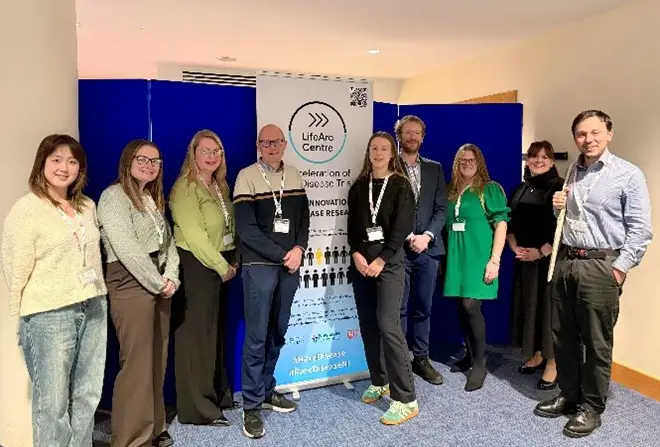
As we mark Rare Disease Day 2026, we’re delighted to share some updates on a selection of rare disease research activity that the University of Birmingham have been involved in over the last few months.
The LifeArc Centre for Acceleration of Rare Disease Trials (ARDT) is now in its second year, with University of Birmingham being a key part of this centre. 95% of the 8,000 or so rare diseases have no specific treatment or cure, and there are too few clinical trials to offer to people living with these conditions. Work package 1, led by Prof Palak Trivedi, is supporting development of a rare disease patient portal, whereby people with rare diseases can log in, consent to provide their contact details and medical history in a secure environment, and find out what clinical treatment trials are going on for their condition. This is in development, with all health data held within the NHS at University Hospital Birmingham and should be available for patients in 2027. Work package 2, led by Prof Lee Aiyegbusi, held a very successful multistakeholder workshop on development of patient reported outcomes for treatment studies, which made a number of recommendations to ensure that future trials better reflect the needs of participants. The report is about to be submitted for publication.
Work package 3, led by Prof Simon Gates, is building a dedicated rare disease trials team to speed up delivery of treatment trials. There has been fantastic interest, with over 15 approaches now, and we expect the first trial to be selected for support this summer. The team are benefitting from the Medical Research Council’s funding for a team to develop new trial designs, needing fewer participants, and minimising the need for placebo groups (led by Prof Cindy Billingham). Work package 4 is building a network of NHS hospitals committed to working together to speed up delivery of treatment trials for patients, and making the experience of participation less onerous. We have engagement now from all 4 UK nations, and lots of enthusiasm to support the UK government’s agenda to deliver research faster.
Work package B, led by Dr Ameeta Retzer, is committed to ensuring that equality, diversity and inclusion are values kept at the front of all our activities; all our team have completed excellent training led by the Equality Trust. Work package C, led by Dr Martin Higgs, is supporting 5 PhD students in rare disease science projects, who started last October, and are very motivated about their work for future benefit of patients.
Finally, we are fortunate in Birmingham to have fantastic support from our colleagues in the many patient support groups, so vital for our clinical services and research. We have held joint events across our partner hospitals and research institutions and in the community, at Birmingham City Football Club last Summer. With a broad spread of laboratory, clinical research and national infrastructure building, Birmingham can mark Rare Disease Day 2026 with pride at our many contributions to improve the lives of those living with rare conditions.
Queen's University Belfast
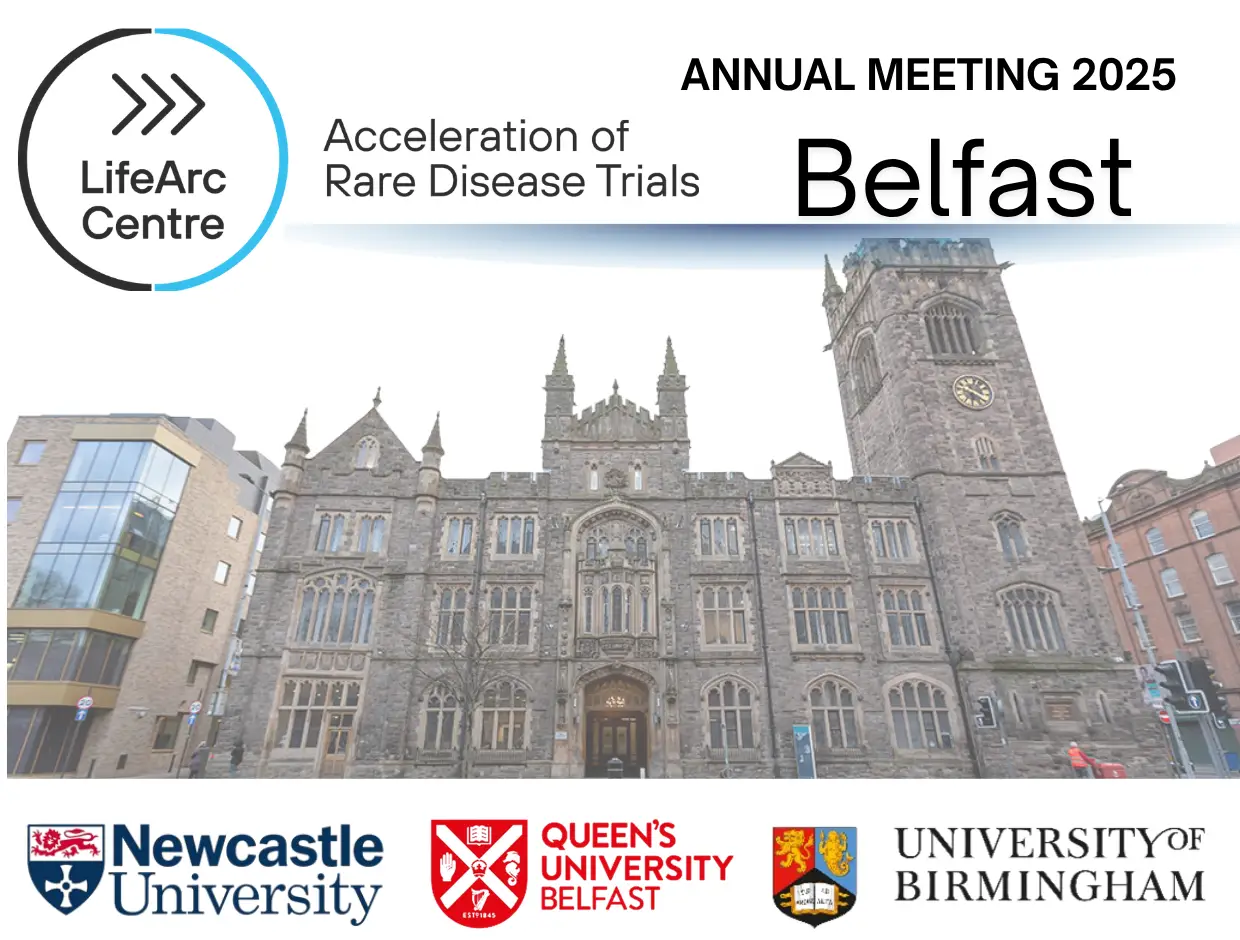
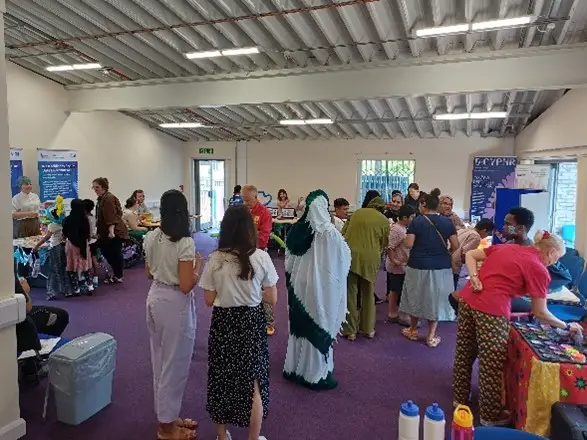
Throughout the month, the rare disease team at Queen’s University, Belfast (QUB) organised and attended several events to highlight the work of the rare disease network and showcase rare disease research taking place across Northern Ireland.
The Queen’s rare disease team was delighted to take part in a Rare Disease Awareness Day event held in the Medical Biology Centre at Queen’s University. The event brought together staff, students, charities and community groups to explore information stands, connect with organisations working across the rare disease sector, and hear directly from people living with rare conditions and those who care for them. With the powerful reminder that 1 in 17 people will be affected by a rare disease at some point in their lives, the day provided a valuable opportunity to build connections, share knowledge, and strengthen collective advocacy for better care and support.
The rare disease team also hosted a coffee morning for colleagues at the Centre for Public Health, QUB. The event provided an opportunity to connect informally, share updates on current research and network activities, and reflect on the importance of collaboration in improving outcomes for people living with rare conditions. It was a valuable chance to bring colleagues together, spark conversations, and strengthen awareness and engagement across the Centre.
Our rare disease community was delighted to welcome Mr Mike Nesbitt, Minister of Health for Northern Ireland, for a special Rare Disease Day visit to our QUB Rare Disease Research Labs. During his visit, the Minister met with researchers, clinicians and families living with rare conditions, hearing first-hand about their experiences and the vital importance of research, collaboration and support services.
A highlight of the visit was the presentation of the Rare Disease Sustained Community Contribution Awards, recognising two individuals whose dedication has made a lasting impact on the rare disease community.
Sandra Campbell was recognised for her longstanding commitment to supporting families and championing rare disease awareness. A founding force behind the Northern Ireland Rare Disease Partnership, Sandra has played a leading role in advocacy, education and community support across the region.Miriam Martin was honoured for her extraordinary advocacy and support for families impacted by rare neurological conditions. Miriam promotes the work of Allied Health Professionals as experts in pain management and mobility and as a long time supporter of the Northern Ireland Rare Disease Partnership, is always keen to participate and share learning. Her tireless dedication to promoting rare disease issues continues to inspire and strengthen the rare disease community.
The visit was a meaningful opportunity to showcase the impact of rare disease research in Northern Ireland and to recognise the individuals whose commitment and compassion continue to drive progress for patients and families.
Light Up For Rare
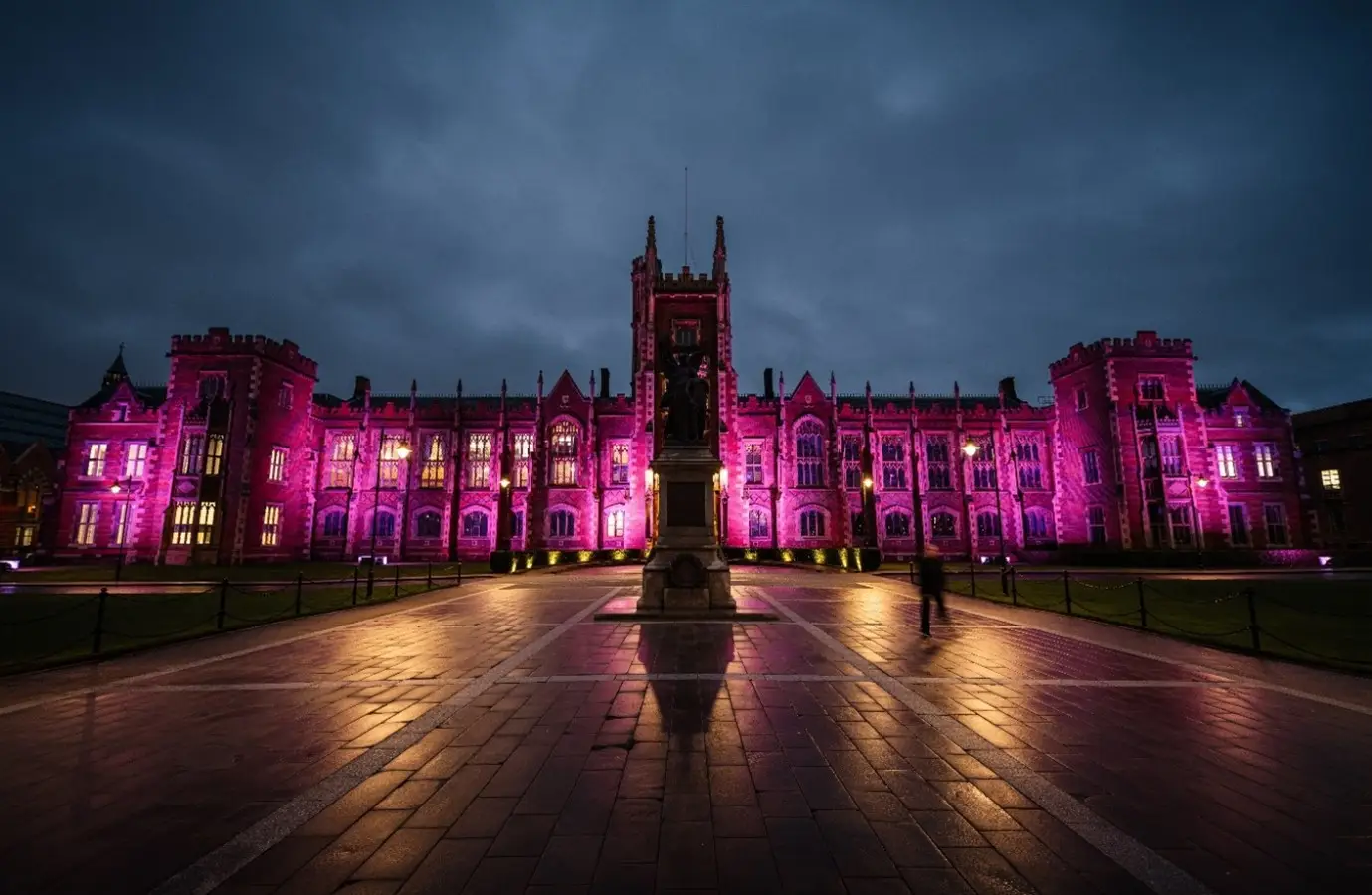
On the 28th of February, iconic buildings across our centres will be illuminated in purple as part of the global ‘light up for rare’ chain of lights to mark Rare Disease Day. Joining landmarks around the world, the purple illumination is a visible symbol of solidarity with people living with rare conditions, helping to highlight the importance of research, awareness and community support. It’s a powerful way for our Centre to stand alongside the global rare disease community and shine a light on the need for continued progress.